
What difference does a Young Carer Lead make?
A Guide for Schools
Barnet Young Carers works in collaboration with the Local Authority, the Barnet Education and Learning Service, local primary and secondary schools, colleges and universities to improve and increase early identification of student young carers. To work efficiently in partnership, it is of paramount importance that each school or educational setting have assigned a member of their senior leadership team the role of Young Carer Lead (YCL) or Champion.
Having a dedicated Young Carer Lead in an educational setting is often the difference between a student slipping through the cracks and a student thriving. Young carers—children under 18 who provide care for a family member with an illness, disability, or addiction—face unique pressures that their peers do not.
This guide sets out practical actions your school can take to improve educational experiences and outcomes for young carers—and how Barnet Young Carers can support your school to implement them.


Identification and Visibility
Many young carers are “hidden.” They may not realise they are carers, or they may feel a sense of shame or a need for privacy. Young Carer Leads can support young carers in your school through:
- Building staff confidence: Ensure staff know common indicators of caring responsibilities (for example, persistent lateness, fatigue, or incomplete homework) and what to do if they are concerned.
- Maintaining clear, confidential records: Keep a confidential register so your school can plan support, monitor impact and review provision across the academic year (within school and with relevant external partners).
How Barnet Young Carers can support your school
Newsletter content for parents, carers and guardians: We can provide tailored wording for your school to include in weekly or monthly newsletters, helping families identify and report children who may be young carers.
Parents’ information sessions: We can partner with your school to deliver parent coffee mornings/afternoons to raise awareness and support identification.
Recognising a young carer training: We can deliver training for school staff and senior leaders to build understanding of young carers, whole-school approaches, and available support.
Young carers data reports: We can share regular reports for your school on identified and registered students, provided ahead of school census return deadlines.
Emotional and Wellbeing support
The emotional toll of caring can be heavy and inevitably impact young carers socialization, school attendance, academic attainment and wellbeing. A Young Carer Lead acts as a trusted adult who understands the specific nuances of their home life. Young Carer Leads can ensure the following support is implemented:
- Peer support: Offer a lunchtime club or regular drop-in so young carers can connect with peers and reduce isolation.
- Access to individual support: Ensure young carers can access mentoring, counselling or therapeutic support—within school (for example, BICS) and/or externally, including Barnet Young Carers and CAMHS.
- Advocacy: Ensure home circumstances are considered in staff discussions and support planning—not only grades.
How Barnet Young Carers can support your school
In-school groups programme: If your school has identified a minimum of six young carers, we can support your school to set up a regular peer support and group mentoring offer. Barnet Young Carers can run the first four sessions, then provide guidance so the programme becomes an established part of your school’s pastoral support.
For further information about our school groups programme please read our Young Carers in Schools Peer support Programme booklet which also contains a link to submit your expression of interest.
Mentoring service: School staff and parents/carers can refer young carers to our one-to-one, in-person mentoring service. Delivered by qualified mentors in schools and educational settings, it offers eight weekly sessions to set goals and address barriers that may be affecting wellbeing for young carers aged 8–24. Young people can self-refer from age 16.
To learn more about and/or make a referral to our mentoring service please visit our referral to our mentoring programme webpage

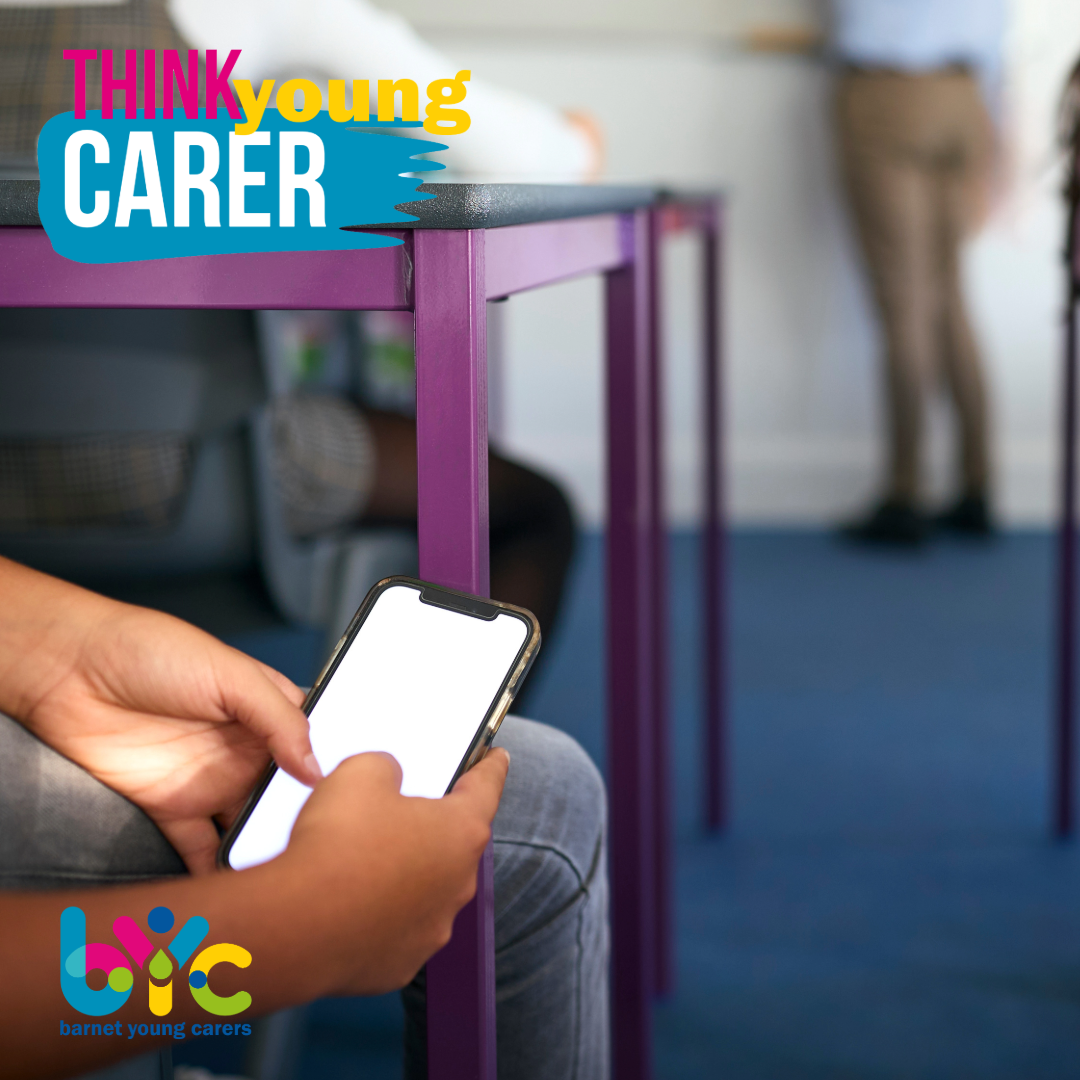
A flexible approach, including academic flexibility, across the school
Standard school policies can inadvertently penalise young carers. Schools can become more young-carer friendly by adopting a whole-school approach, led by a dedicated Young Carer Lead, integrating support into core policies which will contribute to level the playing field. Some core policy adaptations could include:
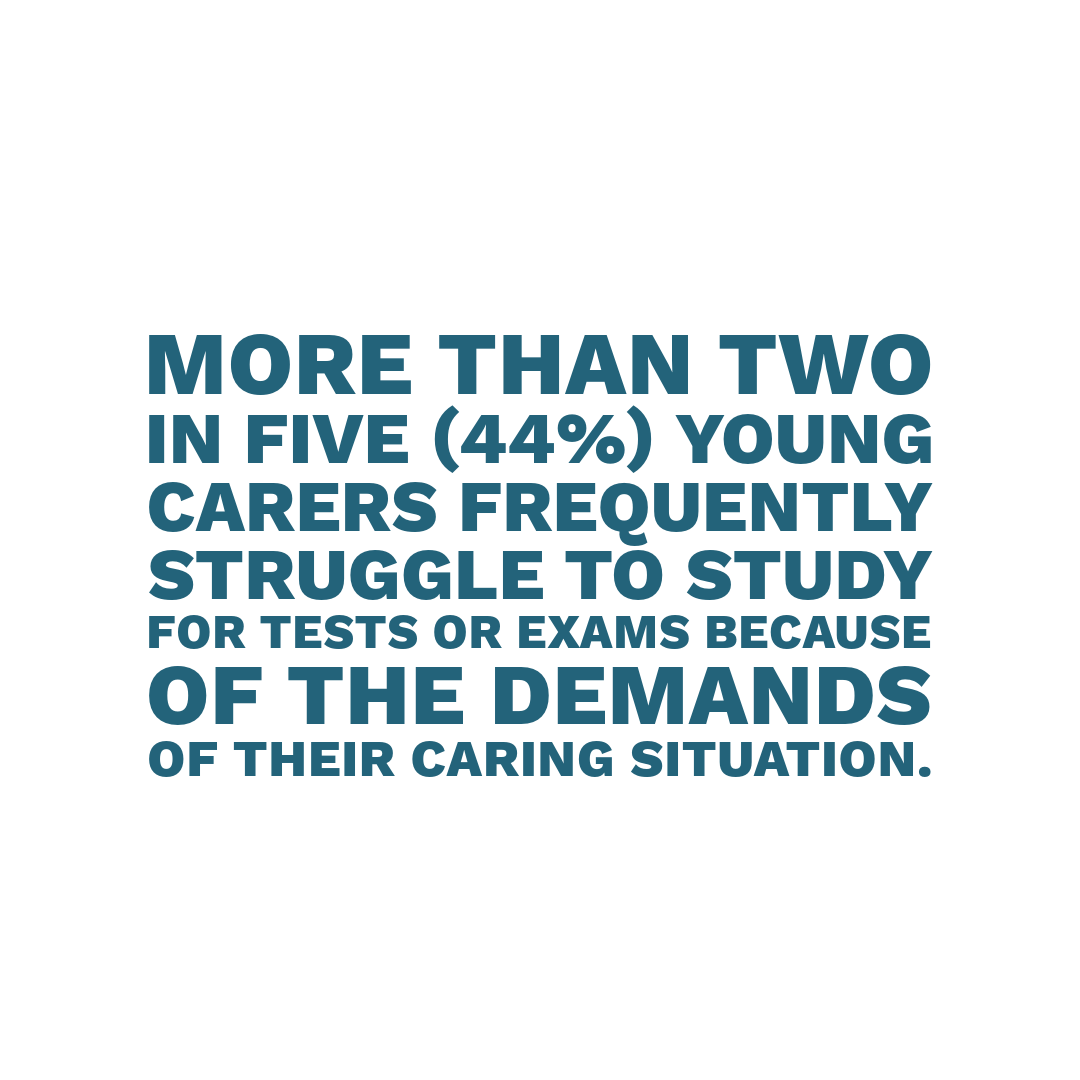
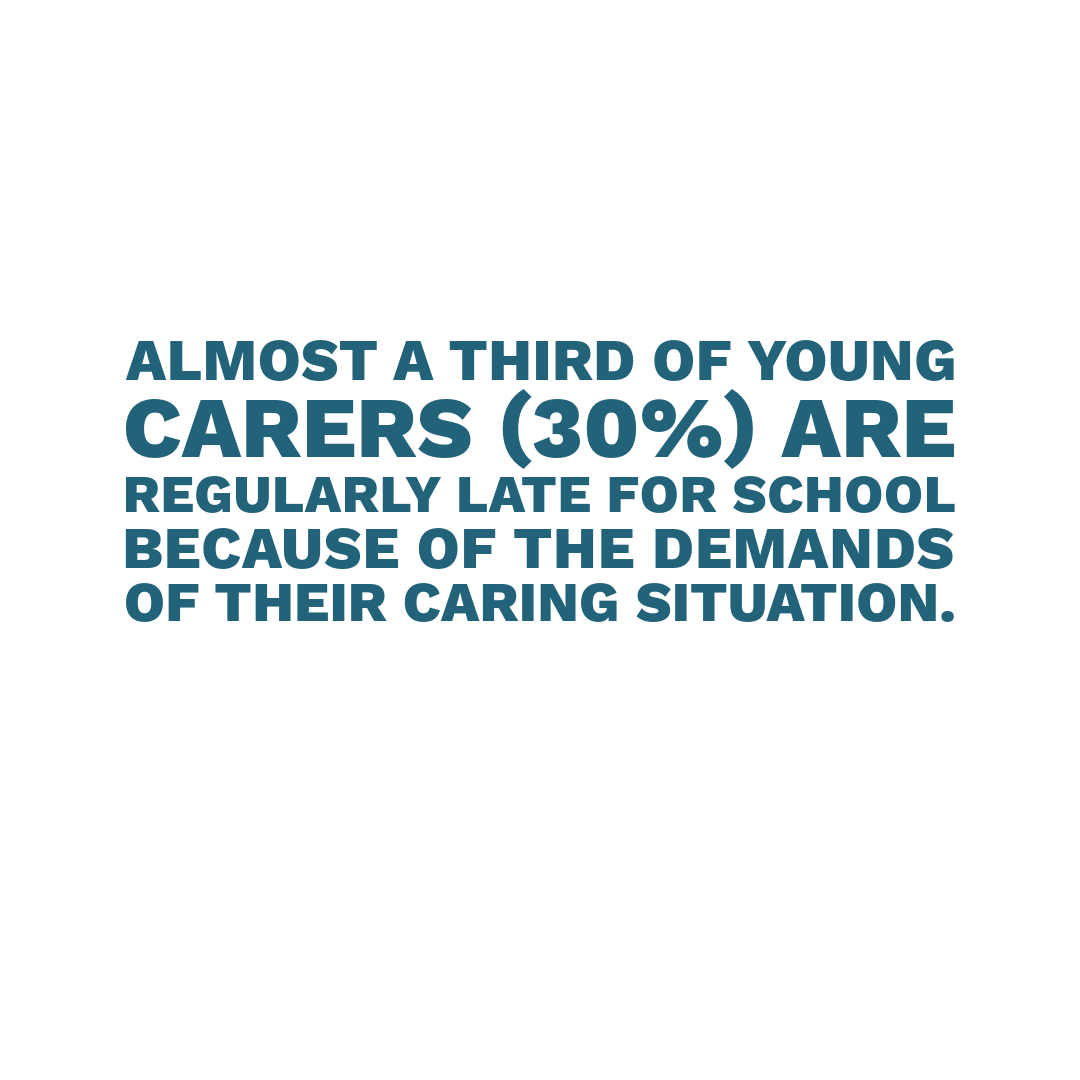
- Attendance: Recognise that caring responsibilities can affect attendance and punctuality. Where possible, offer flexibility (for example, agreed “time out” arrangements for students who need a break).
- Mobile phones: Consider agreed arrangements that allow young carers to check on family members at break or lunchtime, helping to reduce anxiety.
- Behaviour and anti-bullying: Recognise young carers may be more vulnerable to bullying, and make sure behaviour is understood in context (including home responsibilities).
- Homework and learning: Offer flexible deadlines and provide catch-up sessions or homework clubs during the school day, as after-school sessions may not be possible for young carers.
How Barnet Young Carers can support your school
Barnet Young Carers support schools interested to engage with the national Young Carers in School Award framework, led by the Carers Trust and the Children Society. This is a free initiative to help schools adopt a whole school approach in identifying young carers and managing policy changes.
Young Carer Leads Forums: This is a facilitated space for school Young Carer Leads to share best practice, reflect on challenges and create a professional network of support. Delivered by our Schools Manager, it takes place online, via Teams, every two months.
Bridging the Gap (between Home & External Agencies)
Young carers often feel caught between two worlds. The Young Carer Lead can act as a vital link between the school, the family, and external support services.
- Signposting and referral routes: Ensure staff know how to refer to Barnet Young Carers and how to signpost families to appropriate support (for example, mentoring, tuition, leisure passes and activities, and family casework where appropriate).
- Transition support: Plan support for key transitions (primary to secondary; school to college/university) so agreed adjustments and pastoral plans move with the student.
How Barnet Young Carers can support your school
Young adult carers transition assessments: Your school can signpost young adult carers to an independent online assessment, or request support from a member of the Barnet Young Carers team (where appropriate). This helps young people understand what support they need and what is available.
Year 6 transition workshops for young carers
Moving on to secondary school booklet (coming soon)
Moving on to college, sixth form or university booklet (coming soon)


Long term aspirations
Research shows that young adult carers are more likely to be NEET (Not in Education, Employment, or Training) after age 16. A Young Carer Lead can help change this trajectory by:
- Strengthening progression support (careers, FE/HE) and signpost students with caring responsibilities to appropriate services. UCAS includes a tick-box for young carers.
- Signposting and refering young adult carers to Barnet Young Carers so they can access opportunities through the Carers Trust Young Carers Futures Programme (apprenticeships, internships, vocational training and employment).
- Signposting young adult carers to the Barnet Young Carers coaching programme for individual coaching and theme-focused workshops to support psychological and emotional wellbeing.
The Bottom Line…
A Young Carer Lead moves a school from a position of “unawareness and unintentional penalty” to one of “active empowerment.” They ensure that a child’s caring role doesn’t limit their potential at school. A Young Carers Lead is the bridge between a student’s hidden home life and their academic success. Below is a checklist of “quick wins” for immediate impact.
The “Check-in” card: Issue “time out” or “phone” cards so students can discreetly leave a lesson to decompress or check on a relative without having to explain each time.
Visible support: Create a dedicated Young Carers notice board in a central area with contact details for the school’s Young Carer Lead and the Barnet Young Carers Service.
Flexible deadlines: Standardise a “no-questions-asked” 24-hour homework extension for identified young carers to reduce evening stress.
Lunchtime homework club: Offer a quiet, supervised space at lunchtime for young carers who cannot work at home.
Peer connection: Start a monthly drop-in session or lunchtime group to reduce isolation and build peer support.
Assembly awareness: Run a short 10-minute assembly using Barnet Young Carers resources to help “hidden” carers self-identify.
Punctuality grace: Replace late detentions with lunchtime catch-up sessions so students can still fulfil evening caring duties.
School message box: Provide a way for young carers to self-identify while maintaining privacy.
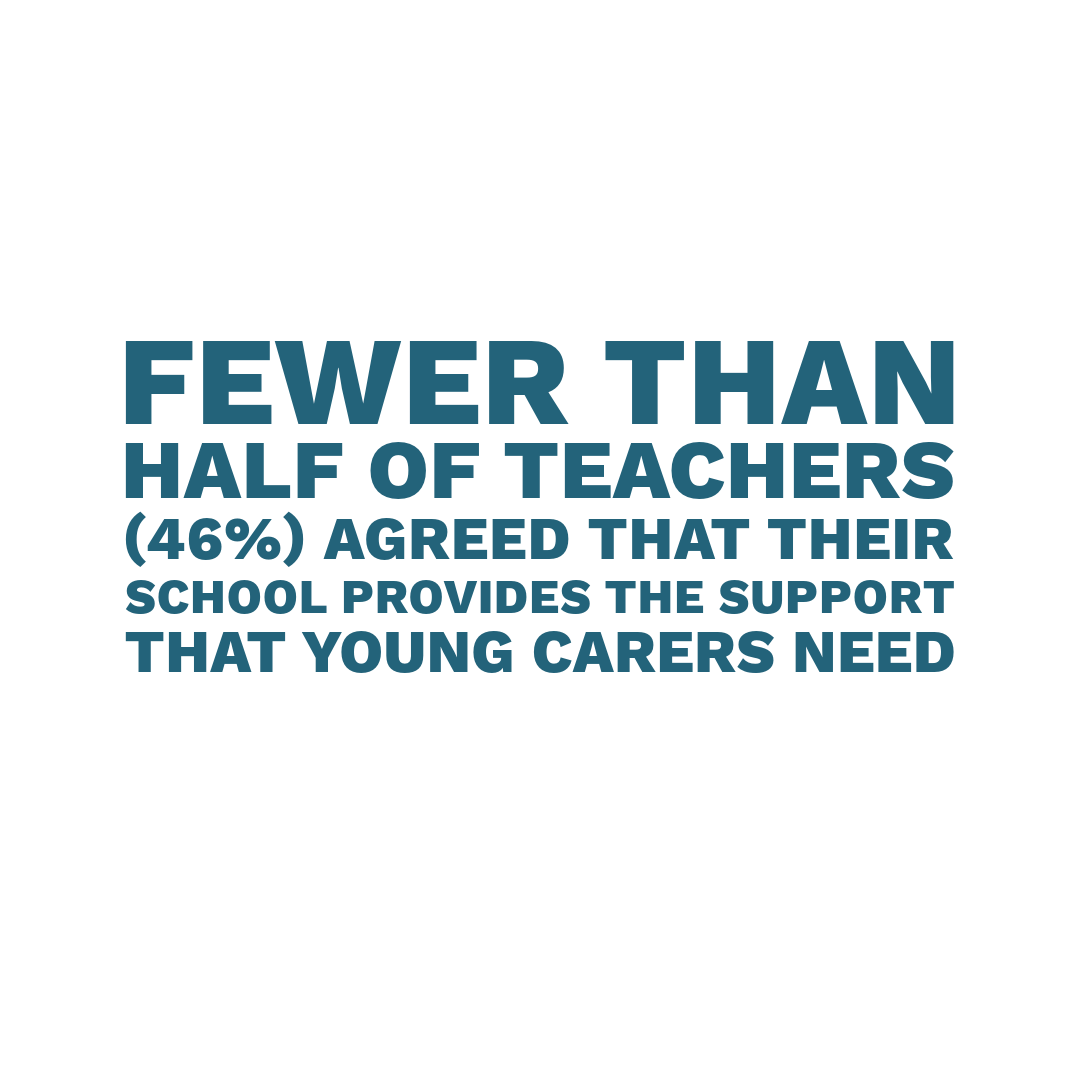

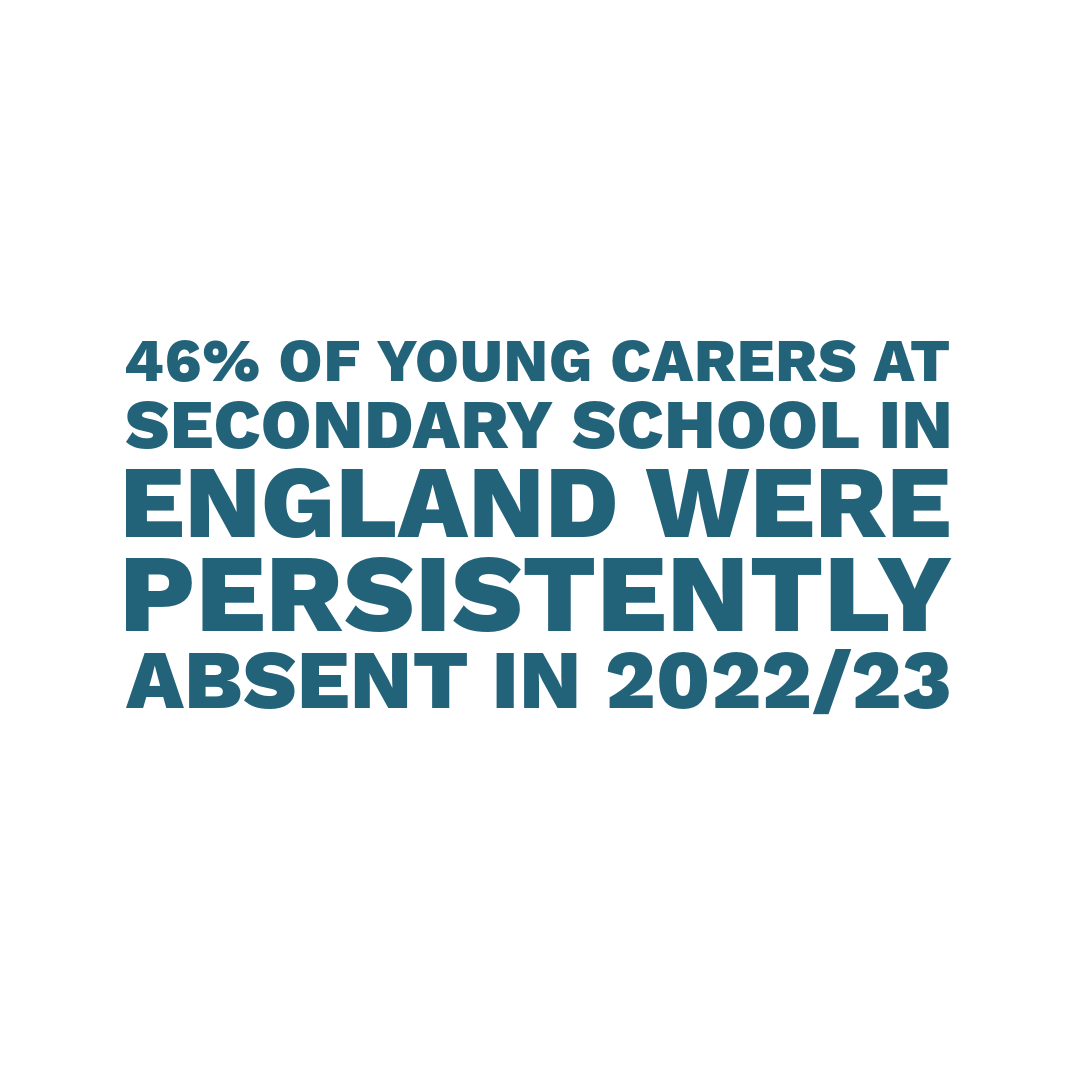


Find out more about how you can support young carers in your school by downloading our secondary schools booklet.

Schools have an important role to play in the lives of young carers. You can do this by referring any young carers.
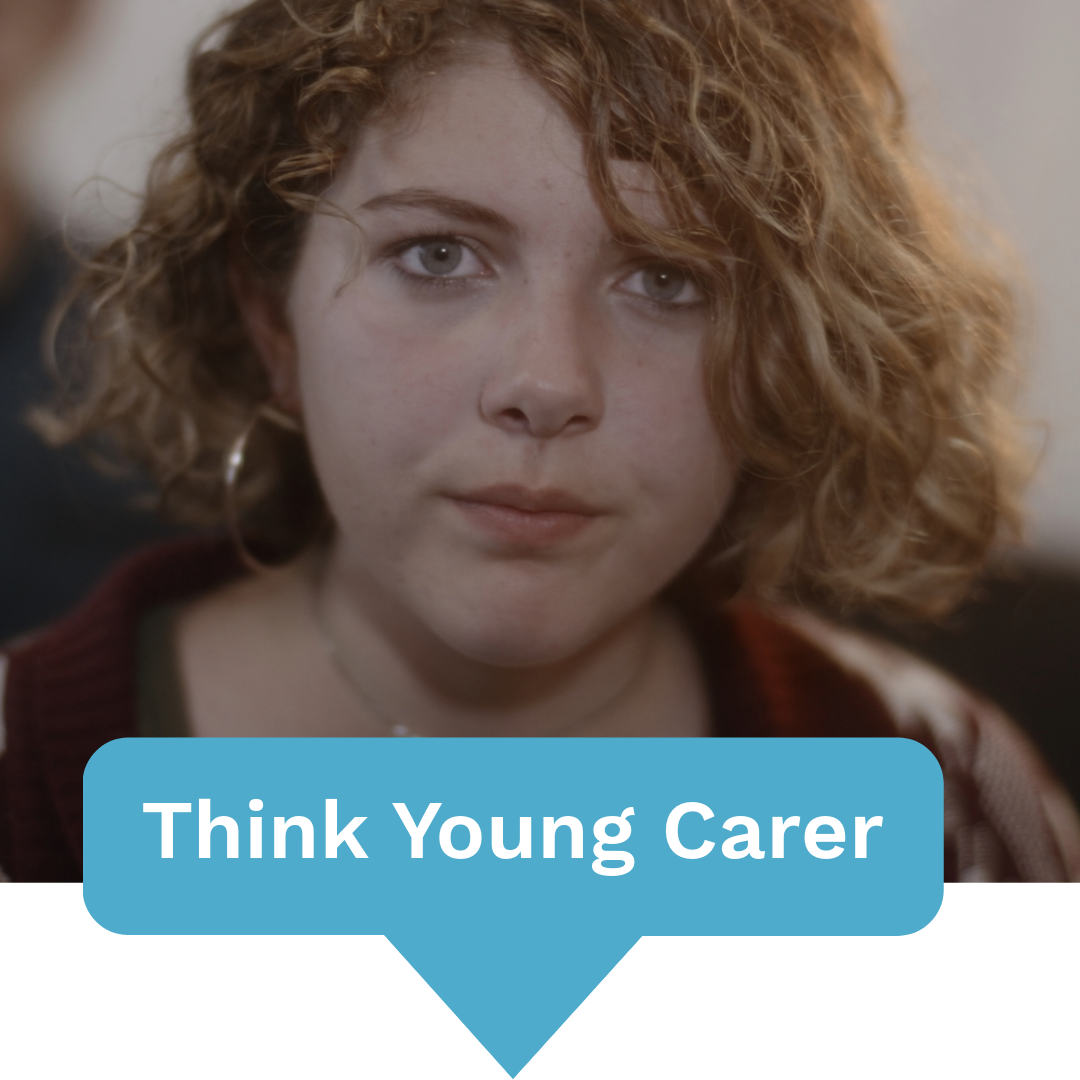
Our new campaign aims to increase the number of young carers that are identified and supported.

Order useful resources for use in your school. We have posters, booklets, postcards and all at no cost.
contact us
Monday to Friday: 9am - 4:30pm
Address
Barnet Young Carers
Global House, 303 Ballards Lane
N12 8NP
Phone
0203 995 1909